


1. Laminating (Laminating)
What is laminating?
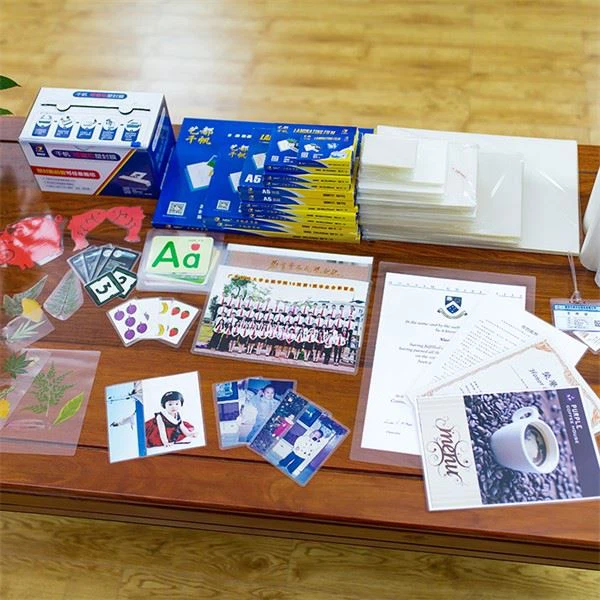
Laminating (also called laminating) involves placing documents in a laminating film and then using a laminator to heat and press them together, "sealing" the paper inside the film. This method is waterproof, wrinkle-proof, and tear-resistant.
Suitable Document Types:
Certificates, awards
Employee cards, work permits
Menus, training materials
Advantages:
Waterproof, stain-resistant, and fold-resistant
Stronger, more refined appearance
Low cost and easy to use
2. File Folders and File Organizers
There are many types of file folders:
Two-ring binders / three-ring binders
Ziplock bags
Insert file organizers
Suitable Document Types:
Reports, contracts, rules and regulations
Project materials, meeting minutes
All types of A4 paper documents
Advantages:
Clear classification and easy filing
Reusable
Affordable cost and a variety of styles
3. Electronic Scanning and Backup
Method Description:
Use a scanner or camera to convert paper documents into electronic versions and save them to a cloud service, USB drive, or company server. Recommended Combination:
Dual Paper and Electronic Storage
Encrypted Compressed Files, Access Control
Advantages:
Prevents loss and damage
Easy to find and share
Saving paper space
4. Waterproof File Bags/Fireproof Bags
Suitable for:
Carrying important documents on the go
Storing long-term documents
Advantages:
Waterproof and fireproof material
Strong zipper seal
Some with combination locks for added security
5. Sealed File Bags/Boxes
Uses:
Suitable for storing heavy or multi-categorized documents, such as contracts, client documents, and personnel files.
Features:
Large capacity
Can be labeled and categorized
Various materials: paper, plastic, Oxford cloth, etc.
6. Shredding Confidential Documents
In addition to protecting documents, it's also important to learn how to destroy them safely. Confidential or private company documents should not be discarded carelessly; they should be shredded.