


Whether it's brochures, product catalogs, posters, or book covers, using the right gloss laminating film can significantly enhance the appearance of printed materials while also improving their durability. However, for many buyers and printing companies, the wide variety of laminating pouches available on the market-differing in types, thicknesses, and materials-can make the selection process confusing. Choosing the wrong product may not only affect the quality of printed materials but also increase production costs.
Therefore, understanding how to choose the right gloss laminating film is extremely important. This article explains the topic in detail from several perspectives, including product structure, application scenarios, material types, thickness selection, and supplier selection.
What Is Gloss Laminating Film
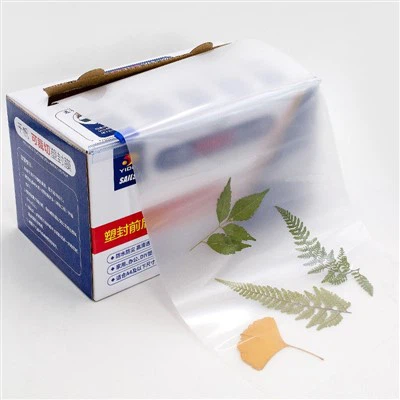
Gloss laminating film is a protective material applied to the surface of printed products. It is composed of a transparent film combined with a hot-melt adhesive layer. When heated through a laminating machine, the film firmly bonds to the surface of the printed material. After lamination, the printed product gains higher gloss as well as enhanced protection.
When the film covers printed materials, it significantly improves image brightness and color saturation, making the printed content appear more vivid and clear. For this reason, many printed products that require strong visual impact use gloss lamination.
In addition to enhancing visual appeal, gloss laminating film also provides several protective benefits. For example, it can effectively protect printed materials from moisture, dust, and oil stains while improving the surface's resistance to wear and scratches.
Compared with matte laminating film, gloss laminating film is brighter and more transparent, making it more suitable for printed products that need vibrant color performance. Matte lamination, on the other hand, is typically used for premium printing projects that require a softer and more subtle visual effect.

Clarify the Application Scenario and Usage Requirements
Before selecting gloss laminating film, it is important to clearly understand the product's application scenario and specific requirements. Different types of printed products require different types of laminating film, so understanding the intended use environment is essential before purchasing.
For example, brochures and product catalogs usually need to display rich images and vibrant colors, making high-gloss laminating film a better choice. Gloss film enhances the visual effect of printed images and makes product presentations more attractive.
For posters or advertising materials, gloss lamination can also increase the overall visual impact and make the content more eye-catching.
On the other hand, some document covers or book covers focus more on durability. These products are frequently handled and opened during daily use, so laminating film with strong abrasion resistance should be selected to ensure the cover remains intact over time.
By identifying the application scenario, buyers can select laminating film more precisely and avoid unnecessary or unsuitable purchases.
Choose the Right Base Material
Gloss laminating film is commonly produced using two base materials: BOPP and PET. These materials differ in performance and application, so understanding their differences is important.
BOPP gloss film offers excellent transparency and flexibility while maintaining relatively low production costs. As a result, it is widely used in the printing industry. Most brochures, catalogs, posters, and standard book covers can be laminated with BOPP gloss film.
PET (polyester) laminating film, on the other hand, provides higher strength and better heat resistance. Compared with BOPP, PET film has a harder surface and stronger scratch resistance while maintaining high transparency. Because of these advantages, PET gloss film is often used for high-end printed products, such as premium photo books or important documents that require long-term preservation.
Choose the Appropriate Thickness
The thickness of laminating film is another key factor to consider. Different thickness levels affect not only the protective performance but also the overall feel and cost of the printed product.
Common gloss laminating films on the market usually range from 20 microns to 35 microns in thickness. Thinner films are generally suitable for standard printing products because they provide basic protection while keeping costs relatively low.
If higher protection is required, thicker laminating film can be selected. Thicker films typically provide better abrasion and scratch resistance, as well as stronger structural support, making printed products more durable.
Pay Attention to Film Quality and Stability
In addition to material and thickness, the quality and stability of laminating film are also critical factors. High-quality laminating film can improve lamination results and reduce production problems such as bubbling, wrinkling, or poor adhesion.
A high-quality gloss laminating film usually has several key characteristics. First, it should have high transparency so the printed content remains clear and vibrant. Second, the surface gloss should be even, without visible haze or color differences. Third, the film structure should be stable so it does not easily produce bubbles or wrinkles during the lamination process.
In addition, the quality of the adhesive layer plays an important role. A stable adhesive layer ensures strong bonding between the film and the printed material, preventing delamination during use.
For these reasons, it is recommended to work with suppliers that have stable product quality and extensive manufacturing experience.
Conclusion
Choosing the right gloss laminating film is not simply about selecting a film product. It requires considering several important factors. First, the application scenario and usage requirements should be clearly defined. Then the appropriate base material and thickness should be selected based on the specific needs. It is also important to confirm the lamination method and evaluate the product's quality and stability.
Finally, by choosing a reliable supplier, businesses can ensure consistent quality and obtain high-performance laminating film products for their printing needs.